
About the Major
A future-focused major leading smart farming and the insect industry.
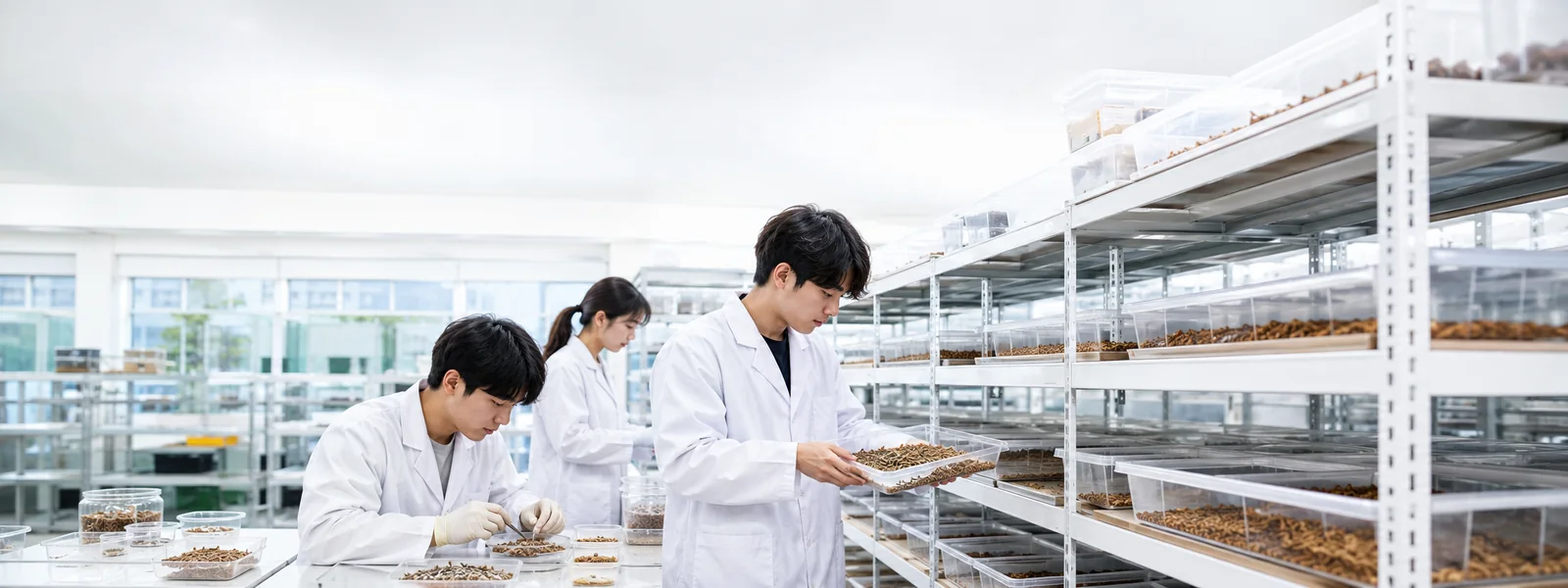
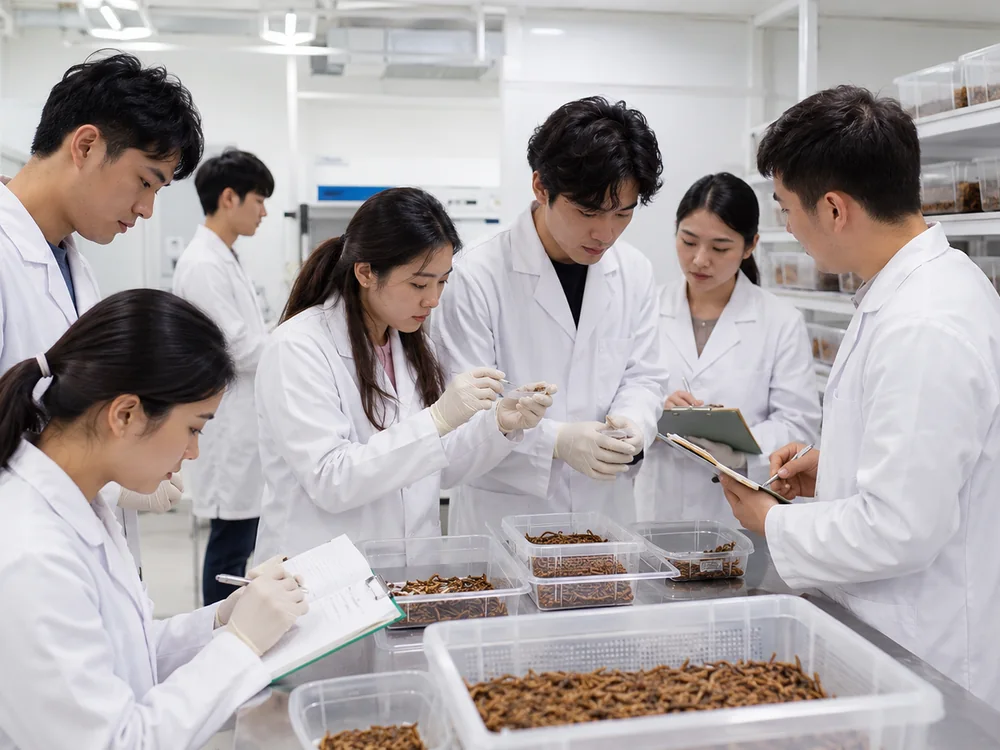
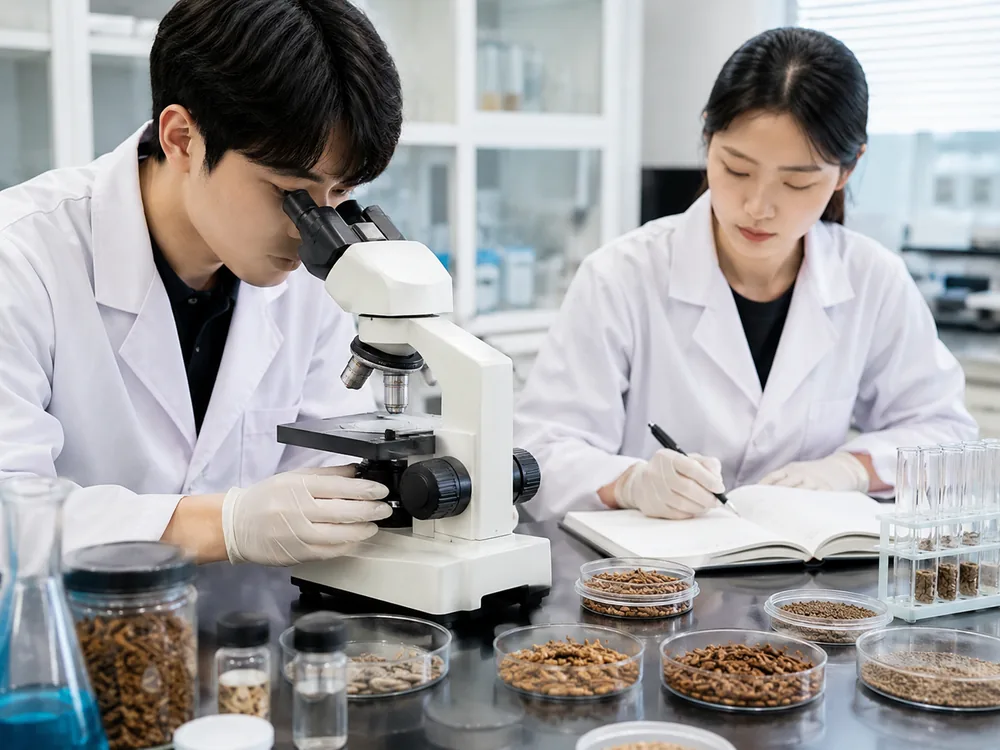
The Smart Food Resources major trains specialists in smart food resources (indoor and open-field smart farms) to meet global climate change, as well as professionals for the fast-growing smart farm and insect industries. Intensive hands-on education centres on our insect-industry smart farm factory laboratory, producing NCS work-ready graduates in partnership with the Yeongam County education district and its leased smart farm development projects.
Established in 2024. Designated in March 2024 as a special-field in-service training institution for primary and secondary teachers, the major also runs an Insect Consultant certification course for adult learners.
Certifications Available
We support students in earning national and private certifications.
- National Sanitarian (licence) · Care Farming Practitioner (certification)
- Private Insect Consultant · Insect Interpreter · Edible Insect Cook · Healthy Food Master (edible insect cuisine)
Career Paths
Smart farm & Bio
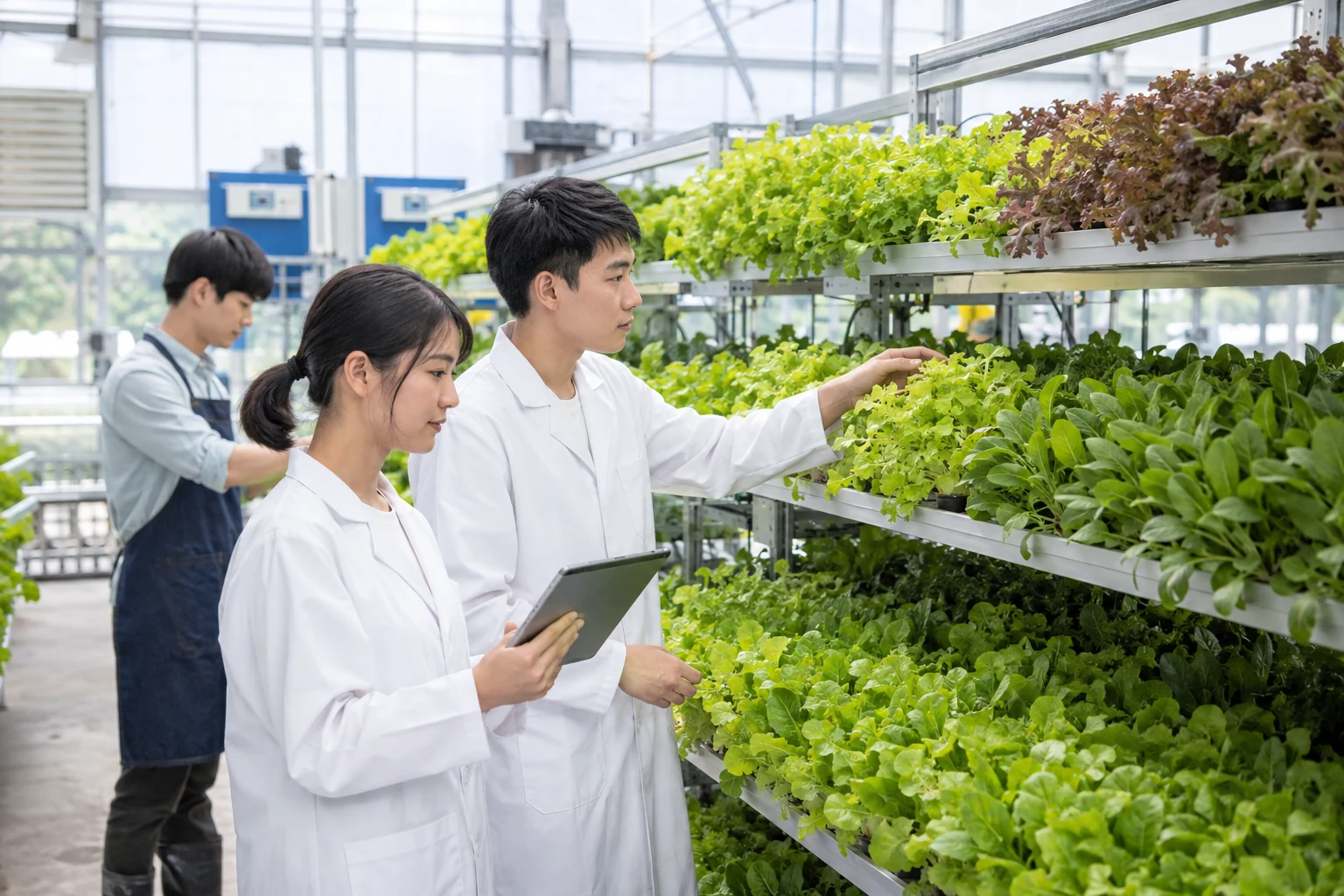
Smart farm & factory operations · Smart farm companies · Bio and health companies · Alternative protein ventures
Public & Research
National and local civil service in the field · Research institutes · Care farming organisations
Insect industry ventures
Founding edible or feed insect businesses · Edible and feed insect companies
Care & Education
Companion animal care centres · Pest control companies · After-school instructors
Curriculum
Main courses in years 1 and 2.
| Year | Semester 1 | Semester 2 |
|---|---|---|
| Year 1 | Liberal Arts and Character · Introduction to Biology · Introduction to Smart Food Resources · Introduction to the Insect Industry · Edible Insect Rearing and Practicum I · Local Creator and Regional Resources · General Entomology and Practicum | Edible Insect Processing and Practicum · Major and Self-development · Field Practicum · Animal Welfare · Therapeutic Entomology and Practicum · Insect Physiology · Food Hygiene and HACCP |
| Year 2 | Insect Biochemistry · Educational and Pet Insects · Smart Bio Industry · Feed Insect Rearing and Practicum · Edible Insect Rearing and Practicum II · Natural Enemy and Pollinator Insects · Medical Entomology and Practicum | Smart Farm Management · Insect Industry Seminar · Insect Industry Processing and Practicum · Insect Industry ESG Management · Insect Pathology |
Faculty
| Name | Courses taught | Contact |
|---|---|---|
| Hwang Du-seon Head of Major | Introduction to the Insect Industry · General Entomology and Practicum · Animal Welfare · HACCP · Edible Insect Rearing and Practicum I–II · Therapeutic Entomology and Practicum · Natural Enemy and Pollinator Insects | 061-470-1776 dshwang@duh.ac.kr |
| Prof. Kim Jae-geun | Introduction to Biology · Introduction to Smart Food Resources · Local Creator · Insect Physiology · Insect Biochemistry · Smart Bio Industry · Edible Insect Processing and Practicum · Educational and Pet Insects | 061-470-1718 jkkim@duh.ac.kr |
History
- 2023.09 ~ 2024.02 Feasibility study · Faculty recruitment · Development plan and curriculum design · 2024 admissions · Laboratory and practice-room equipment
- 2024.03.02 First cohort of 15 students fully enrolled (100%) with entrance ceremony
- 2024.03.14 Designated as a special-field training institution for primary and secondary teachers
Photos
For international admissions to the Smart Food Resources major, contact the Office of International Affairs at +82-61-470-1700 (ARS 7) or see Admissions.